

 Can Microbiome Health Impact Patient Outcomes In Parkinson's Disease? - A Case Study
Posted at : 08-05-2023 | 10 mins read
Can Microbiome Health Impact Patient Outcomes In Parkinson's Disease? A Case Study
Our recent case study (published in the International Journal of Nutrition, Pharmacology, Neurological Diseases) showed the positive impact of a microbiome based dietary intervention on patient health.
A 54-year-old female patient with Parkinson's disease submitted her stool sample for an interventional microbiome study with Navipoint Health. By measuring the relative abundances of various bacteria that were detected in her sample, the degree of intestinal dysbiosis was ascertained. Specific bacterial markers were significantly dysbiotic, or well outside the the recommended/optimal range. At baseline, her gut microbiome showed a high relative abundance of Lactobacillus spp (32.98%) and other bacterial groups which include Firmicutes (89.07%), Prevotella spp (27.79%), and Actinobacteria (10.10%).
As a next step, nutritional recommendations to re-balance the bacteria levels were generated. The recommendations included highly personalized foods that had to consumed frequently ('Superfoods').
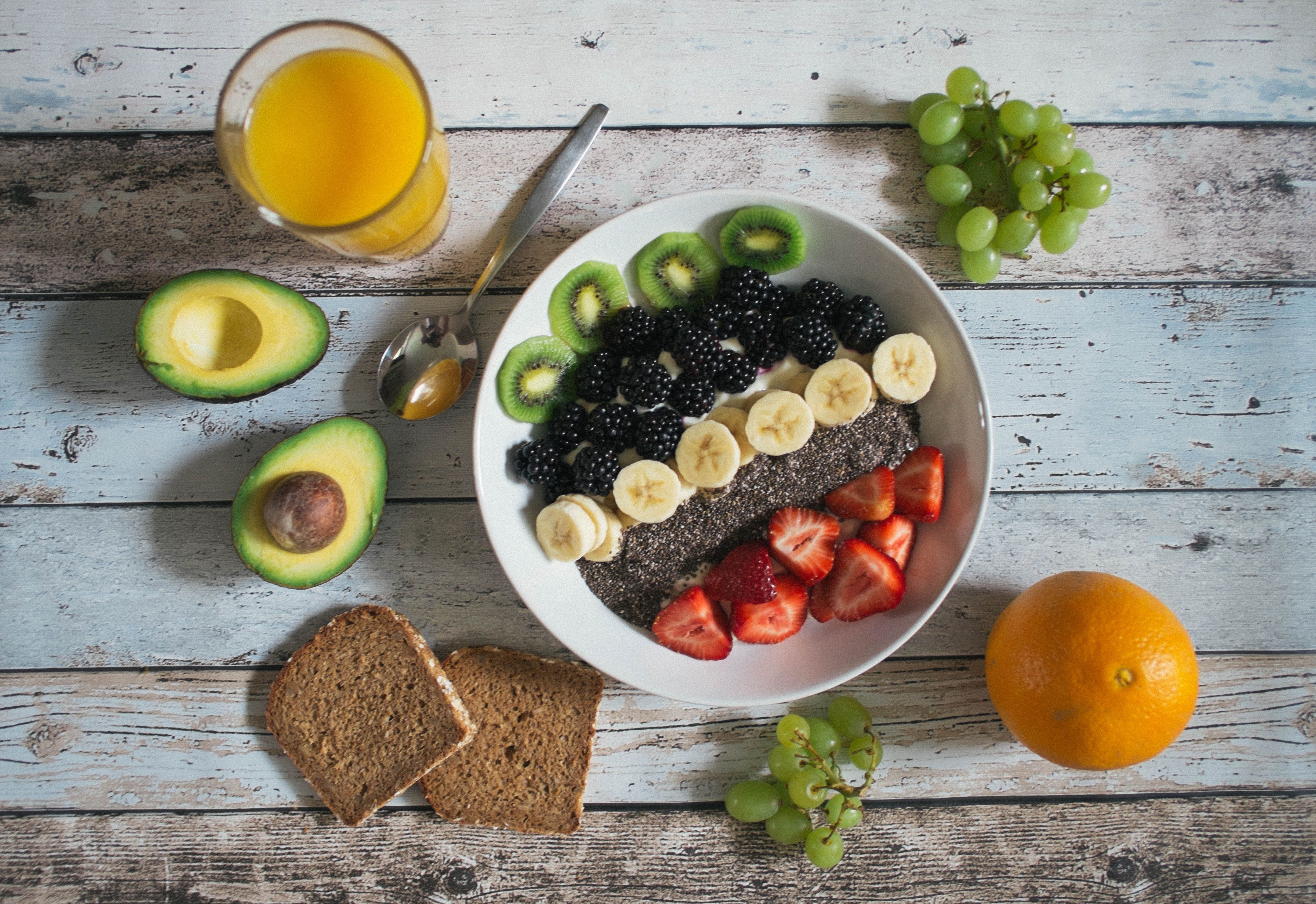
These superfoods were selected based on their nutritional composition and their impact on increasing or decreasing specific bacteria in the gut. One of the focus areas was to optimize the levels of the SCFA-producing Faecalibacterium spp (2.49% at baseline).
The patient followed the dietary recommendations for a period of two months.
A stool sample was collected to re-assess gut microbiome composition. Microbial diversity and richness significantly improved, along with clinical symptoms.
The levels of the targeted gut bacteria were closer to the recommended or optimal range post the microbiome-based dietary intervention. Significant changes observed were the rebalance in the targeted bacterial groups : Firmicutes (from 89.07 to 45.56%), Prevotella (from 27.79 to 24.69%) and Actinobacteria (from 10.10 to 7.17%). There was also an increase in the abundance of Faecalibacterium (from 2.49 to 4.33%).
By supplementing clinical treatment with a targeted dietary intervention, patient motor and cognitive function also improved.
This case study highlights the potential impact of microbiome modulation in Parkinson's disease management.
Link to full study : https://journals.lww.com/ijnp/Fulltext/2023/13030/Gut_microbiome_based_dietary_intervention_in.5.aspx


Health KidsNavipoint
Health AdultsNavipoint
Health LongevityGut Balance Program


Chicago, USA and Hyderabad, India
Headquarters in Chicago, IL USA

© 2025-2026 All Rights Reserved.
Terms & ConditionsPrivacy Policy